ASEAN for the Peoples Week 2026 marks the inaugural edition of a civil society–driven platform designed to complement ASEAN’s regional processes by expanding inclusive public engagement and multi-stakeholder dialogue.
Date & Venue
5–8 May 2026 | Cebu, the Philippines - Mövenpick Hotel Mactan
Organized by
Foreign Policy Community of Indonesia (FPCI)
About AFPW
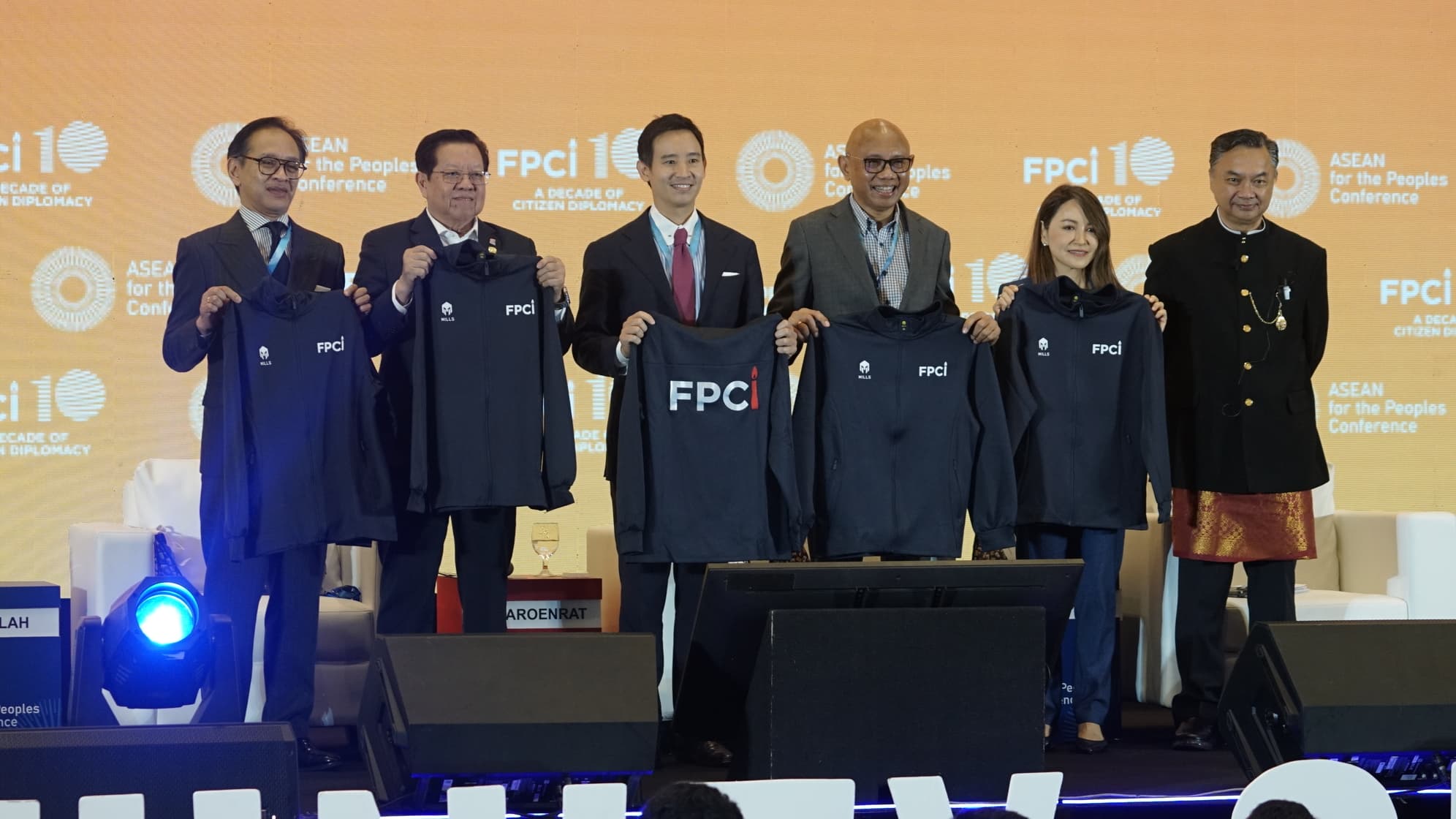
ASEAN for the Peoples Week 2026 builds on a strong foundation shaped by ASEAN’s formal processes, the adoption of the ASEAN Community Vision 2045, and the momentum generated by the ASEAN for the Peoples Conference (AFPC) organized by FPCI in 2025.
By convening policymakers, civil society leaders, business actors, youth representatives, academics, media, and regional partners in a shared space, the platform seeks to translate regional commitments into practical collaboration. It aims to strengthen cross-sector partnerships, generate policy-relevant insights, and promote initiatives that produce tangible outcomes for communities across Southeast Asia.
Program Overview
ASEAN for the Peoples Week 2026 will be held in Cebu, the Philippines, from 5–8 May 2026, alongside the 48th ASEAN Summit. The program will combine roundtable strategic dialogue with accessible public engagement formats.
5–8 May 2026
ASEAN Journalist & Digital Storyteller Capacity Building Fellowship (Closed-Door)
5 May 2026
Film Screening & Talk Show
6 May 2026
7 May 2026
Track 1.5 ASEAN Community Building Forum(Closed-Door)
8 May 2026
ASEAN Community Town Hall
8 May 2026
Reception (Invitation Only)
ASEAN Community Town Hall Agenda
On Friday, 8 May 2026, ASEAN for the Peoples Week 2026 will hold the ASEAN Community Town Hall which features 5 sessions with experts from across Southeast Asia. The Town Hall is open to the public. Secure your spot now!
09:30–09:50 | Opening Ceremony
+
09:30–09:50 | Opening Ceremony
09:50–10:50 | Session 1
SDGs in ASEAN: Progress, Gaps, and the Way Forward
+
09:50–10:50 | Session 1
SDGs in ASEAN: Progress, Gaps, and the Way Forward
Partners: Kaabag sa Sugbo Foundation Inc., RCE-Cebu, University of San Jose-Recoletos


The world is currently off track with the 17 Sustainable Development Goals, and Southeast Asia is no exception. With only about 35% of the targets on track or making modest gains (UN, 2025), the region must accelerate its efforts, especially on the social SDGs: no poverty, zero hunger, and good health and well-being.
Across a region of more than 670 million people, complex challenges exist. Food prices remain high. Climate-related disasters are increasing-bringing more deaths, displacement, and disruption. At the same time, many communities continue to struggle with access to quality education and maternal health services.
These challenges are made even more difficult by today's global environment. Rising geopolitical tensions, protectionism, and economic uncertainty are slowing cooperation and limiting the resources needed to achieve the SDGs by 2030.
Against this backdrop, can we get the SDGs back on track? And what will it take to accelerate progress by 2030? In this session, we will focus on these urgent pressure points and explore how ASEAN can strengthen collaboration to deliver real progress where it matters most.
Amb. Nelson Santos
Senior Advisor to the President of the Republic of Timor-Leste on International Relations
Speaker

Dr. Phyu Phyu Thin Zaw
Lecturer of School of Public Health of The University of Hong Kong
Speaker
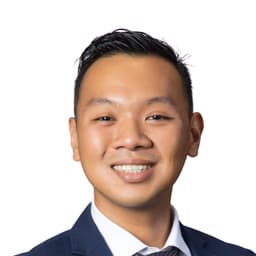
Dr. Jose Ma. Luis Montesclaros
Research Fellow, S. Rajaratnam School of International Studies (RSIS), Nanyang Technological University, Singapore (NTU)
Speaker
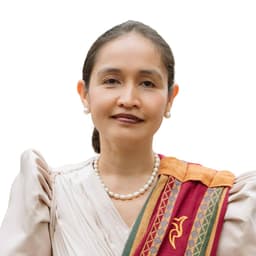
Dr. Crina E. Tanongon
Dean, UP Cebu - College of Communication, Art, and Design
Moderator
10:55–11:55 | Session 2
ASEAN's Digital Economy: How to Make It Work for MSMEs
+
10:55–11:55 | Session 2
ASEAN's Digital Economy: How to Make It Work for MSMEs
Partners: Go Negosyo, University of San Carlos (USC)


Southeast Asia is stepping into a major digital opportunity. With initiatives like the ASEAN Digital Economy Framework Agreement and the ASEAN Digital Masterplan 2026-2030, the region is aiming for a more connected, borderless digital economy.
At the center of it all are MSMEs-more than 70 million businesses driving growth, creating jobs, and supporting around 85% of total employment.
Southeast Asia's digital economy is already on track to triple, from around $300 billion today to nearly $1 trillion by 2030. With the right policies in place, that growth could go even further, unlocking up to $2 trillion in value across the region.
The question remains: what does it actually look like on the ground? Can MSMEs keep up with the pace of digital transformation? And can this opportunity truly be realized across the region?
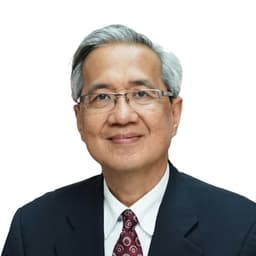
Dr. Aladdin Rillo
Managing Director for Policy Design and Operations, Economic Research Institute for ASEAN and East Asia (ERIA)
Speaker
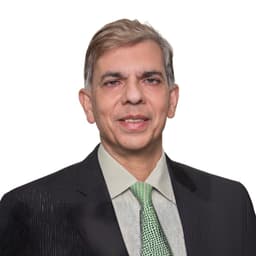
Dr. Jayant Menon
Senior Fellow of ISEAS Yushof Ishak Institute, Singapore; Former Lead Economist at Asian Development Bank
Speaker

Anthony Patrick Chua
Executive Director, Philippine Center for Entrepreneurship-Go Negosyo; Executive Director, ASEAN-BAC Philippines
Speaker
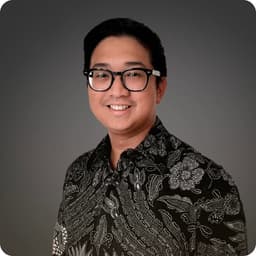
Rifki Weno
Executive Director, ASEAN Business Advisory Council
Speaker

Dayu Nirma Amurwanti
Senior Fellow, Foreign Policy Community of Indonesia (FPCI)
Moderator
13:30–14:30 | Session 3
Power, Risk, and Resilience: Securing ASEAN's Climate and Energy Future
+
13:30–14:30 | Session 3
Power, Risk, and Resilience: Securing ASEAN's Climate and Energy Future
Partners: Institute for Climate and Sustainable Cities (ICSC), Cebu Normal University (CNU)


Southeast Asia's energy future is being shaped by rising risks, from global supply disruptions to intensifying climate impacts that are already affecting livelihoods, infrastructure, and economic stability. Today, nearly 80% of ASEAN's energy still comes from fossil fuels, leaving the region highly exposed to volatile global markets, where over two-thirds of oil and gas trade passes through major chokepoints vulnerable to conflict and disruption. At the same time, energy demand in Southeast Asia is projected to more than double by 2050, raising urgent questions about how to power growth without increasing vulnerability. Yet a more secure pathway is within reach: renewable energy is now often the cheapest source of new power globally, and can be produced domestically, reducing dependence on imports and external shocks. This session asks a critical question: How can ASEAN turn the energy transition into a strategy for resilience, building systems that are not only cleaner, but more stable, secure, and equitable for its people?
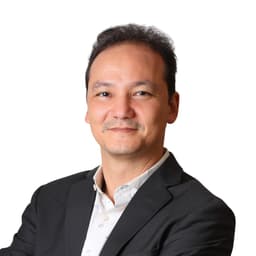
Leo Horn-Phathanothai
Founder and Executive Director, Just Transitions Incubator (JUTI)
Speaker

Angelo Kairos dela Cruz
Executive Director, Institute for Climate and Sustainable Cities (ICSC)
Speaker

Tiza Mafira
Director, Climate Policy Initiative Indonesia
Speaker

Rexor Amancio
Regional Lead, Asia-Pacific Global Renewables Alliance (GRA)
Speaker

Sokphalkun Out
Energy Policy Manager and Government Relations, EnergyLab Asia
Speaker

Kiara Putri Mulia
Climate Program Manager, Foreign Policy Community of Indonesia (FPCI)
Moderator
14:35–15:35 | Session 4
ASEAN in a Changing World: What Does It Mean for Us?
+
14:35–15:35 | Session 4
ASEAN in a Changing World: What Does It Mean for Us?
Partners: Asia Pacific Pathways to Progress Foundation, New Era University (NEU), University of the Visayas (UV)


In 1967, ASEAN's founding fathers envisioned a region grounded in five key principles: independence, unity, neutrality, cooperation, and shared growth.
Today, ASEAN has grown into a community of 11 nations representing over 670 million people. Yet, as geopolitical rivalries intensify and the global order becomes increasingly uncertain, ASEAN faces a new set of challenges-both within the region and beyond.
Can ASEAN maintain its strategic autonomy in an increasingly polarized world? How should it respond to evolving geopolitical dynamics while remaining cohesive and effective? And ultimately, what do these shifts mean for the people of ASEAN?
This session will explore how ASEAN can navigate a changing world while remaining relevant, responsive, and grounded in the needs and aspirations of its people.
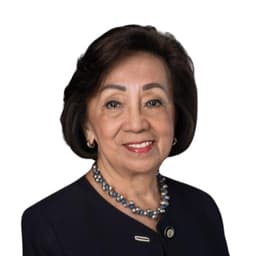
H.E. Delia Domingo Albert
First Women Career Foreign Minister in ASEAN
Speaker
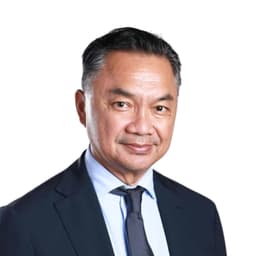
Dr. Dino Patti Djalal
Founder and Chairman, Foreign Policy Community of Indonesia (FPCI)
Speaker

Amb. Pou Sothirak
Senior Adviser, Cambodian Center for Regional Studies (CCRS); Advisor to the Royal Government of Cambodia
Speaker
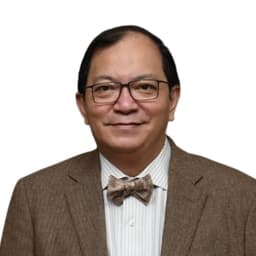
Robert Matheus Michael Tene
Deputy Secretary-General of ASEAN for ASEAN Political Security Community (2021-2024)
Speaker

Dr. Shofwan Al-Banna Choiruzzad
Senior Fellow, Foreign Policy Community of Indonesia (FPCI)
Moderator
16:00–17:00 | Session 5
A People-Centred ASEAN: What It Takes and How to Get There
+
16:00–17:00 | Session 5
A People-Centred ASEAN: What It Takes and How to Get There
Partners: ASEAN Youth Organization (AYO) Philippines, Centro Escolar University (CEU)


ASEAN Vision 2045 envisions a region that is resilient, innovative, and people-centred. While this has long been ASEAN's aspiration, fewer than one in three citizens fully understand what ASEAN does.
Across hundreds of high-level meetings each year, public participation remains limited. What does it truly take to build a people-centred ASEAN, and how do we get there?
In this last discussion of the ASEAN Community Town Hall, we will explore actionable pathways for bridging this divide and ensuring the region's future is driven by the needs of its people.
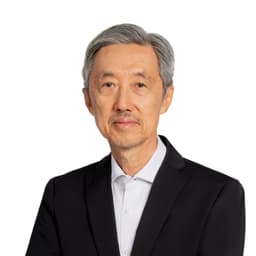
Prof. Emeritus Suthiphand Chirathivat
Chairman of the Board, Central Group
Speaker
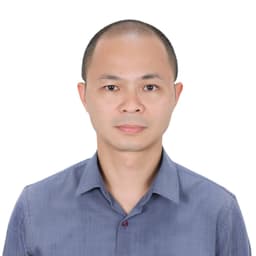
Dr. Ha Anh Tuan
Dean of the Faculty of International Politics and Diplomacy, Diplomatic Academy of Viet Nam
Speaker

Anna Leigh V. Anillo
Communications, Knowledge Management, and Partnership (CKP) Coordinator, Mekong Institute (MI)
Speaker

Dr. Souliya Mounnarath
Head of the International Cooperation Division, International Relations Office, National University of Laos
Speaker

David Acero
Partnership Manager of ASEAN Youth Organization (AYO) Philippines
Moderator
All times listed are in Cebu Time (GMT+8).

For questions and inquiries, contact us at:
secretariat@aseanforthepeoples.org